
When It Comes to Renewable Energy Integration, Our Research Spans Key Areas
In the face of climate change and the imperative to transition to cleaner and more sustainable energy sources, renewable energy integration stands as a pivotal and pressing research domain. The Center for Energy Systems and Control (CESC) is at the forefront of this critical area of study, dedicated to shaping the future of energy systems by seamlessly integrating renewable energy sources into power systems with utmost efficiency and reliability.
Renewable energy, derived from sources such as solar, wind, hydro, and geothermal power, is abundant and environmentally friendly. However, its intermittent and variable nature presents a unique set of challenges for power system operators. CESC’s research in this category focuses on overcoming these challenges, making renewable energy a dependable and integral part of our energy infrastructure. We cover some facinating research like
- Grid Integration Strategies
- Energy Storage Solutions
- Microgrid Development
- Hybrid Energy System
- Forecasting and Predictive Analytics
- Regulatory and Policy Analysis
- Interconnection Standards
- Resource Assessment
- Environmental Impact Mitigation
- Energy Market Integration
OUR RESEARCH
Encompass all these vital topics because they are integral to the successful integration of renewable energy into our power systems. Each facet plays a crucial role in ensuring the efficiency, reliability, and sustainability of our energy infrastructure
CESAC is actively researching and developing grid integration strategies that enable the seamless injection of renewable energy into existing power grids. This includes addressing issues of grid stability, voltage control, and frequency regulation to ensure reliable energy supply.
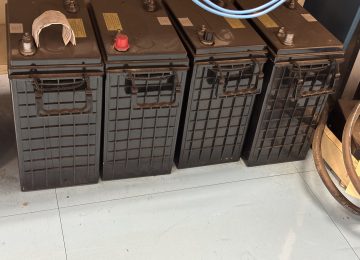
To compensate for the intermittent nature of renewable energy sources, CESC explores advanced energy storage technologies. This includes the development of efficient and cost-effective energy storage solutions, such as batteries and pumped hydro storage, to store excess energy when it’s abundant and release it when needed.
In the pursuit of decentralized and resilient energy systems, CESC delves into microgrid research. These localized energy networks are capable of seamlessly integrating renewable sources and managing their fluctuations while enhancing energy security and grid resilience.
CESAC investigates the optimization and control of hybrid energy systems that combine multiple renewable sources with conventional generation to ensure a steady and reliable energy supply.
Accurate forecasting of renewable energy generation is vital for grid operators. CESC’s research involves the development of advanced forecasting models using data analytics and machine learning techniques to predict renewable energy output with precision.
Regulatory and Policy Analysis: Recognizing the importance of regulatory frameworks and policies in promoting renewable energy integration, CESC conducts in-depth analysis to recommend policy enhancements that incentivize renewable energy adoption while ensuring grid reliability.
Interconnection Standards: CESC contributes to the establishment of interconnection standards that facilitate the seamless integration of distributed renewable energy systems into the grid.
Resource Assessment: Assessing the renewable energy potential of different regions is crucial for effective integration. CESC conducts resource assessments to identify optimal locations for renewable energy installations.
Environmental Impact Mitigation: While renewable energy is environmentally friendly, CESC also explores ways to minimize any potential environmental impacts, such as wildlife protection and habitat preservation.
Energy Market Integration: Understanding how renewable energy interacts with energy markets is vital. CESC researches market mechanisms that promote renewable energy participation and enhance market efficiency.